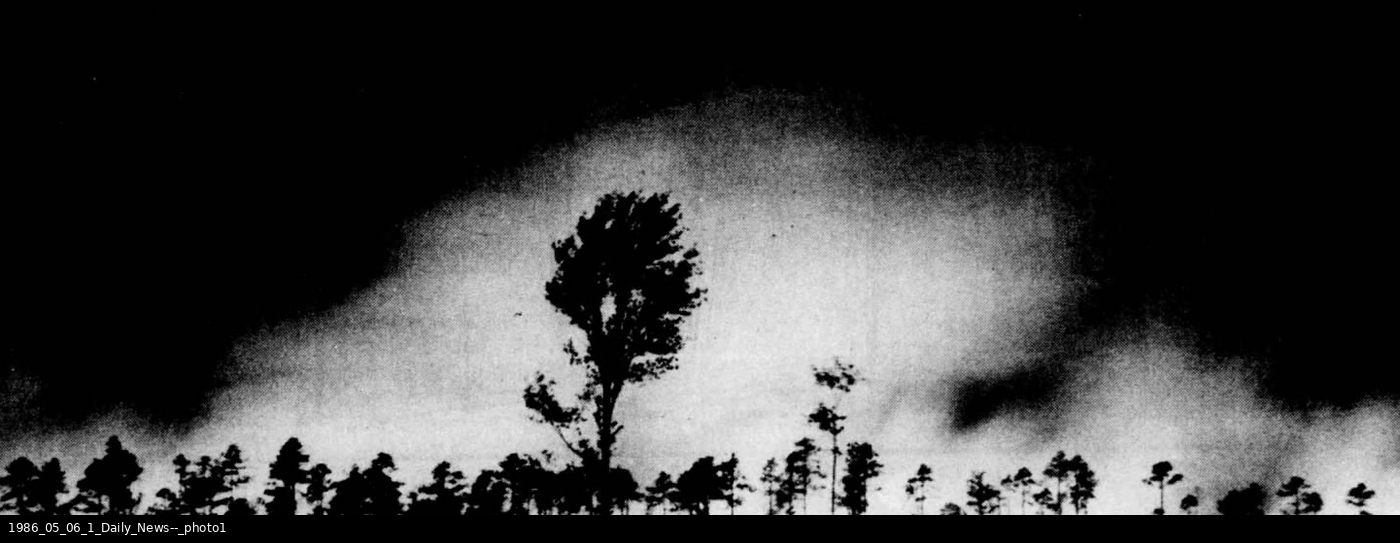
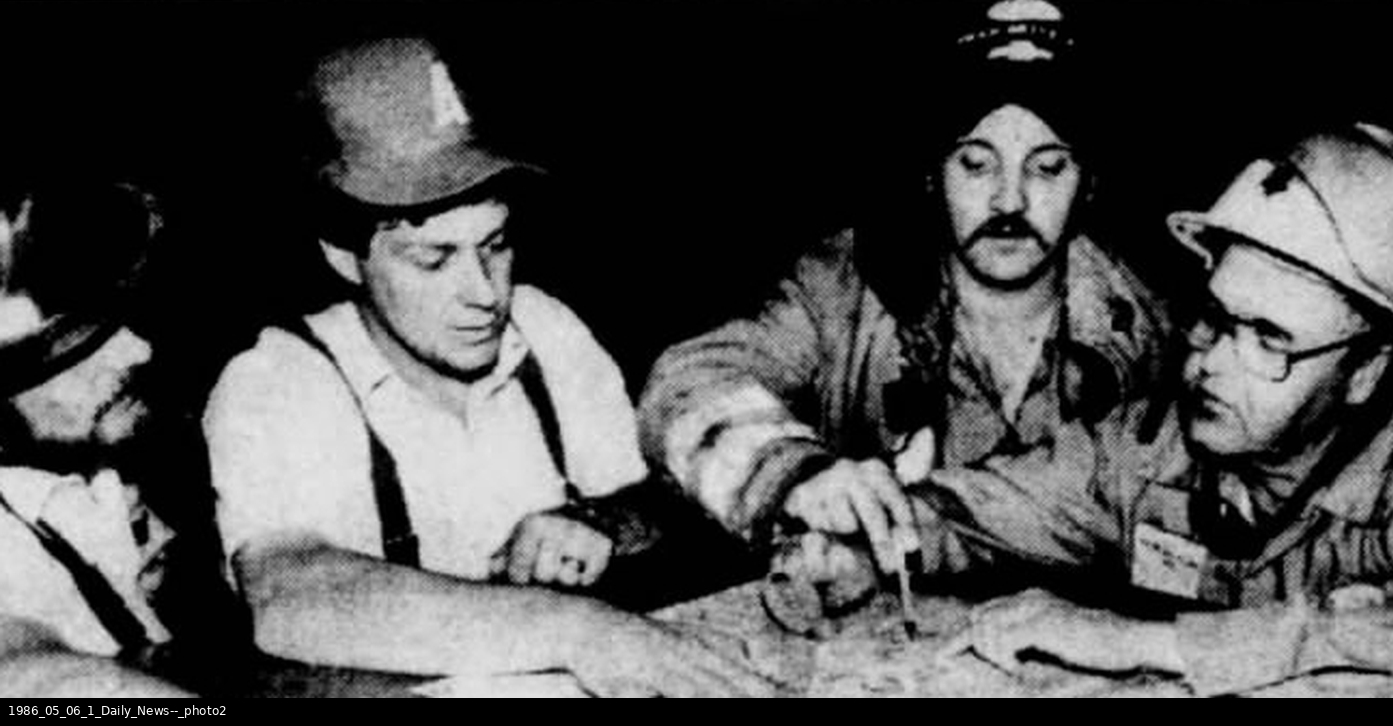
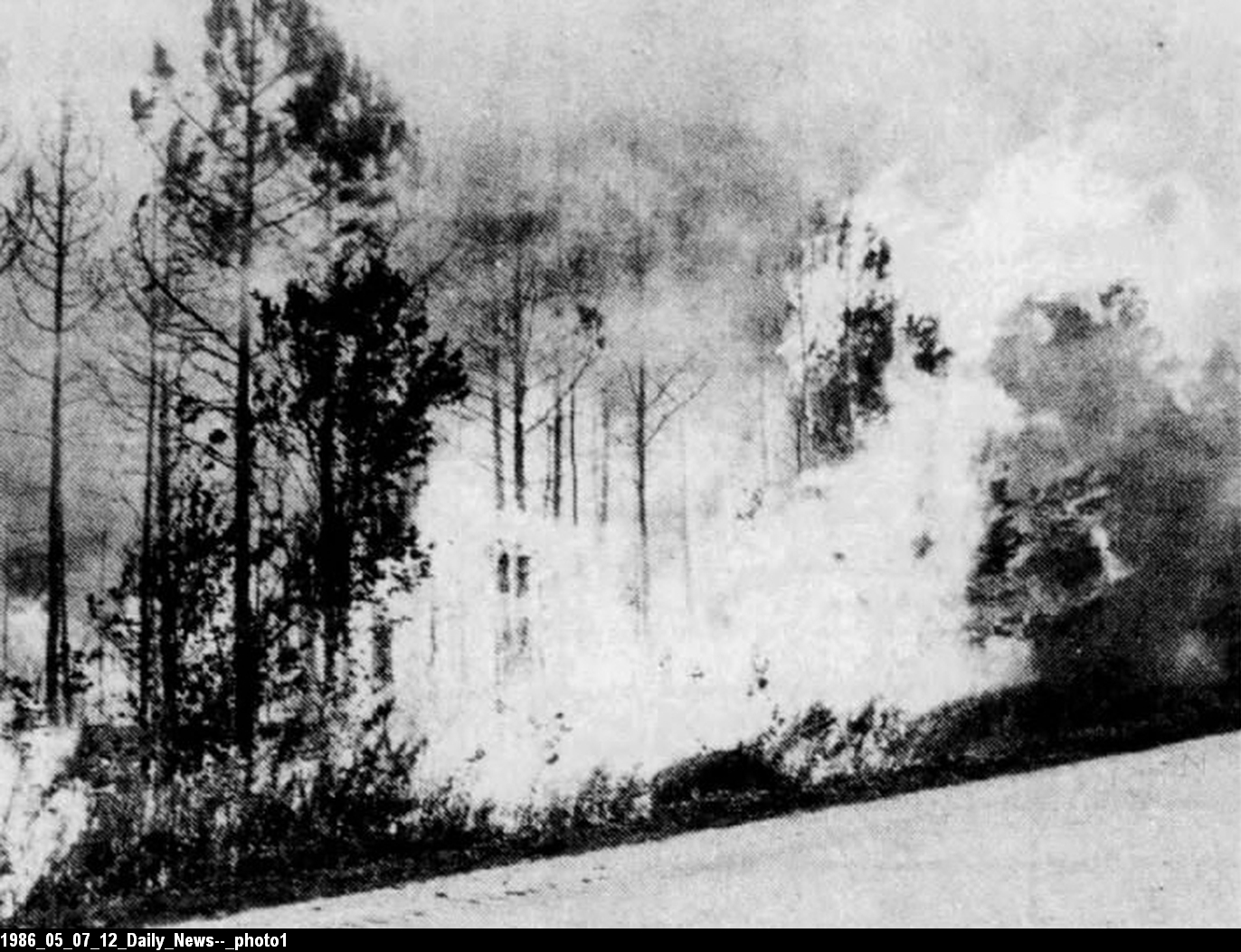
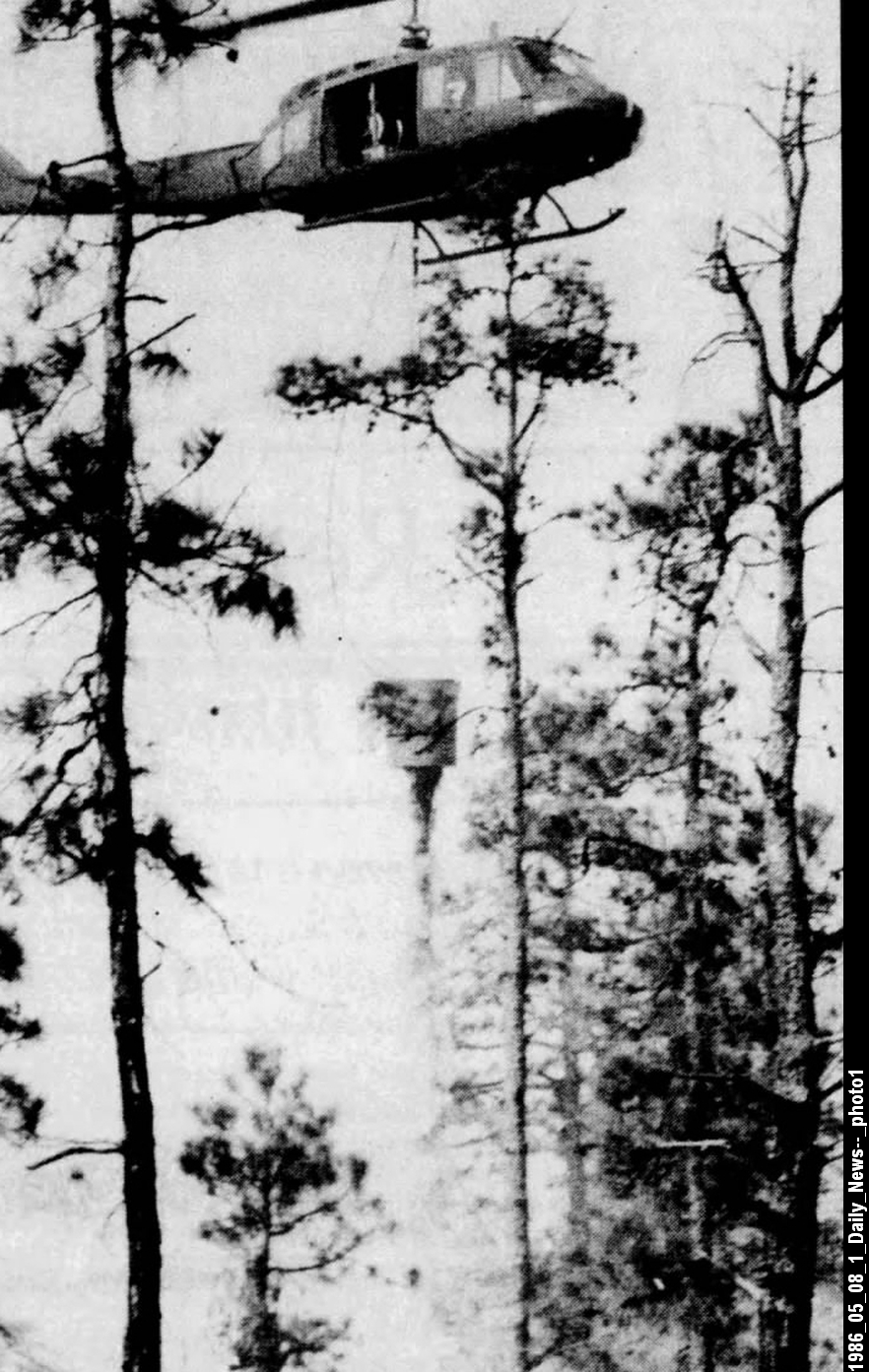
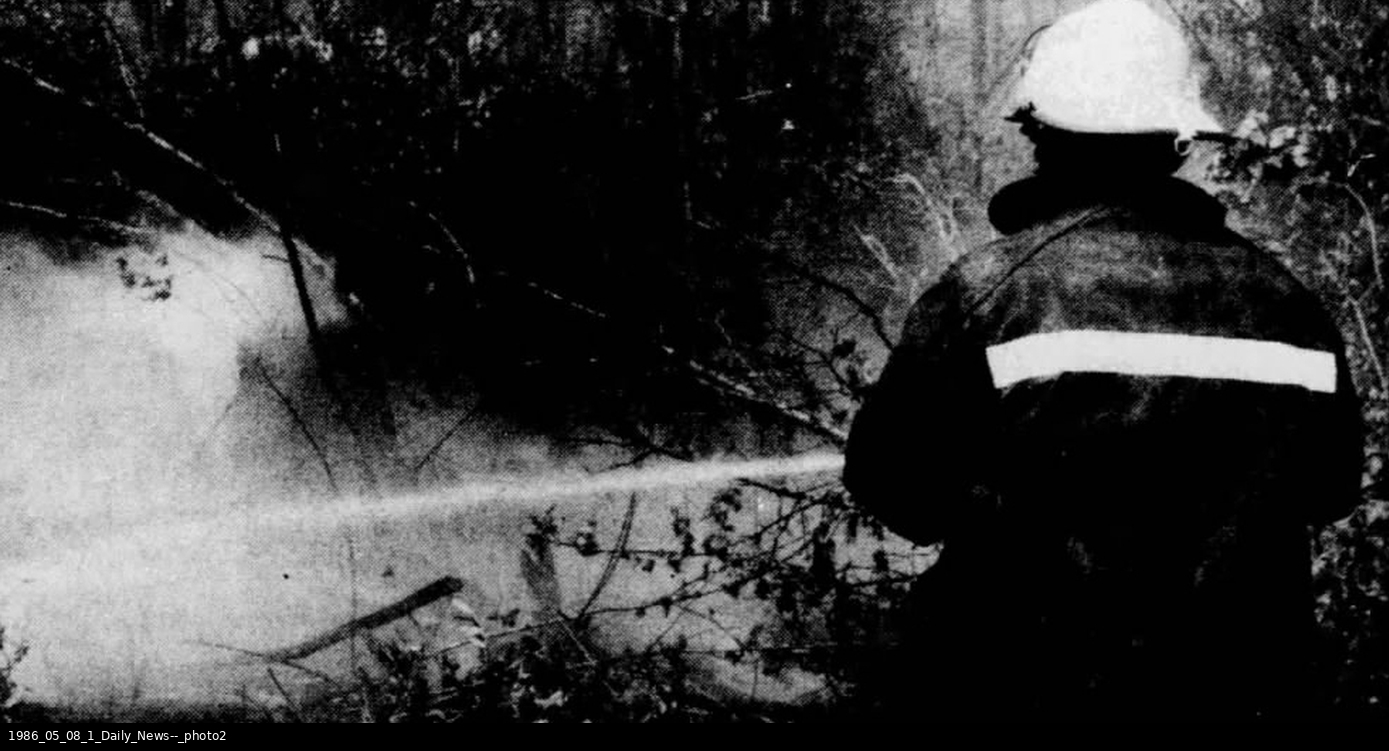
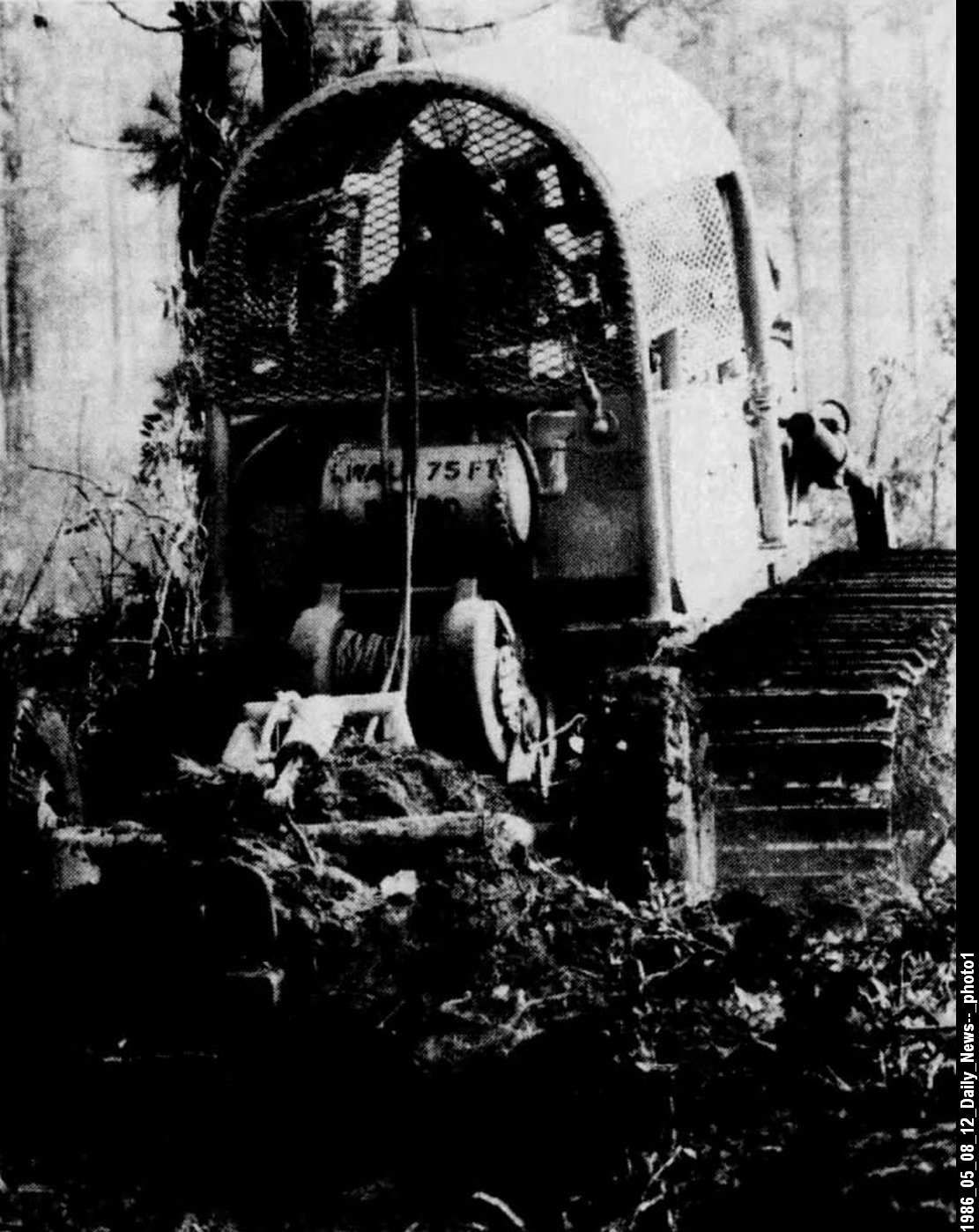
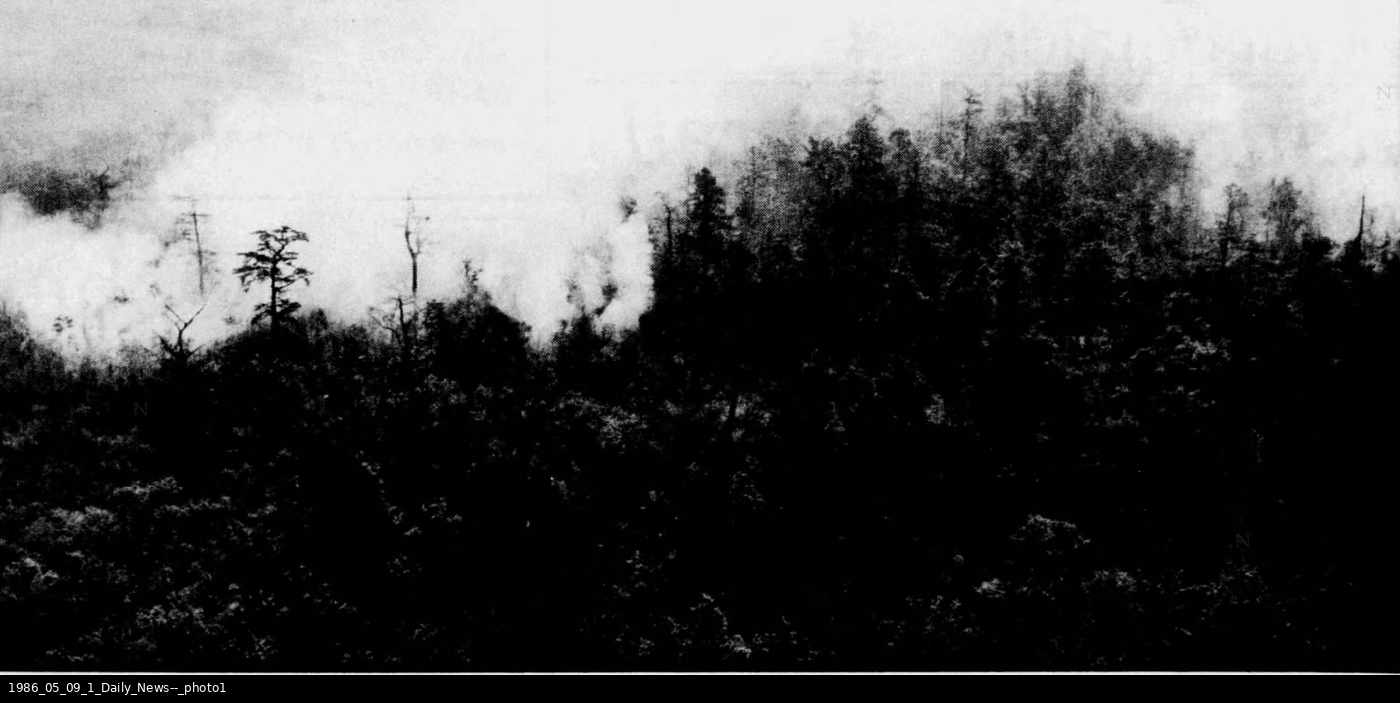
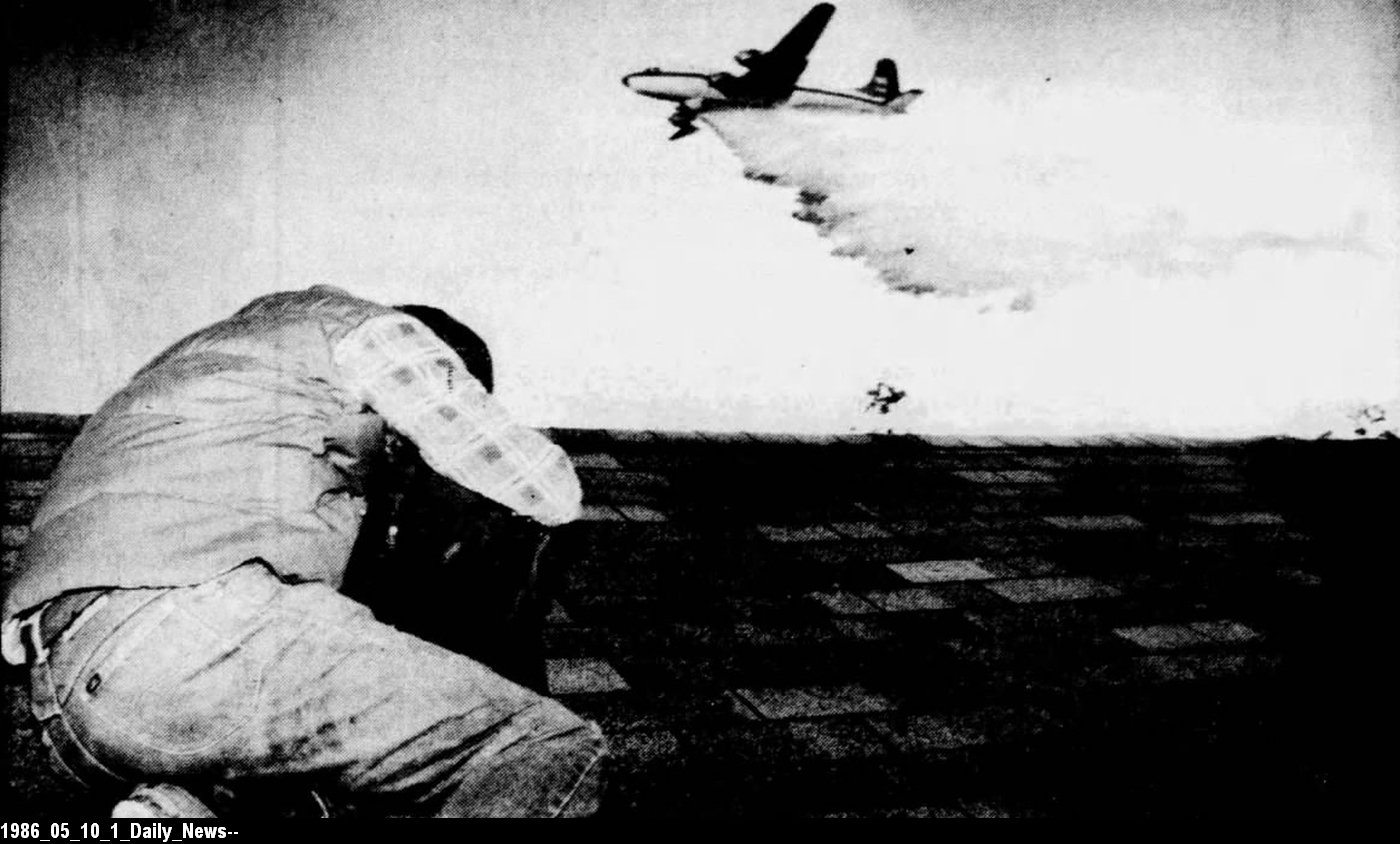


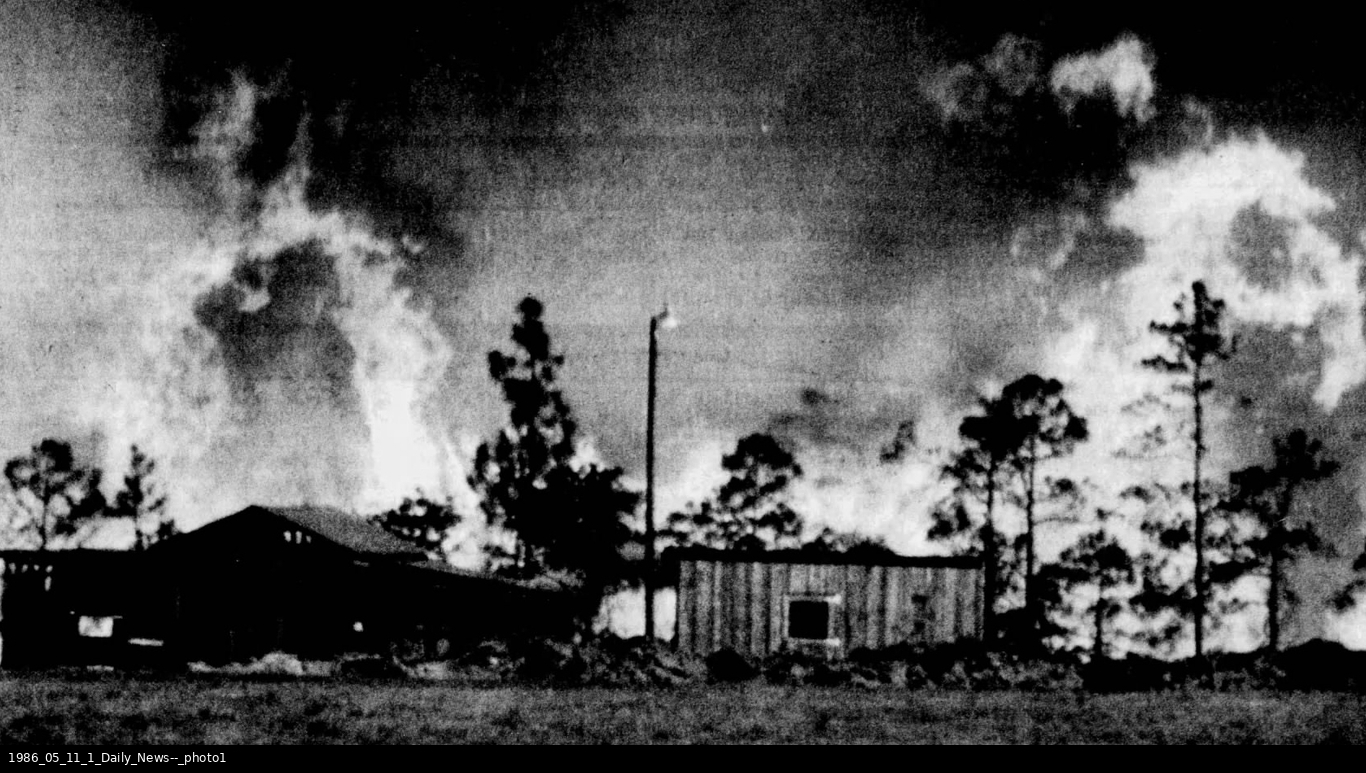
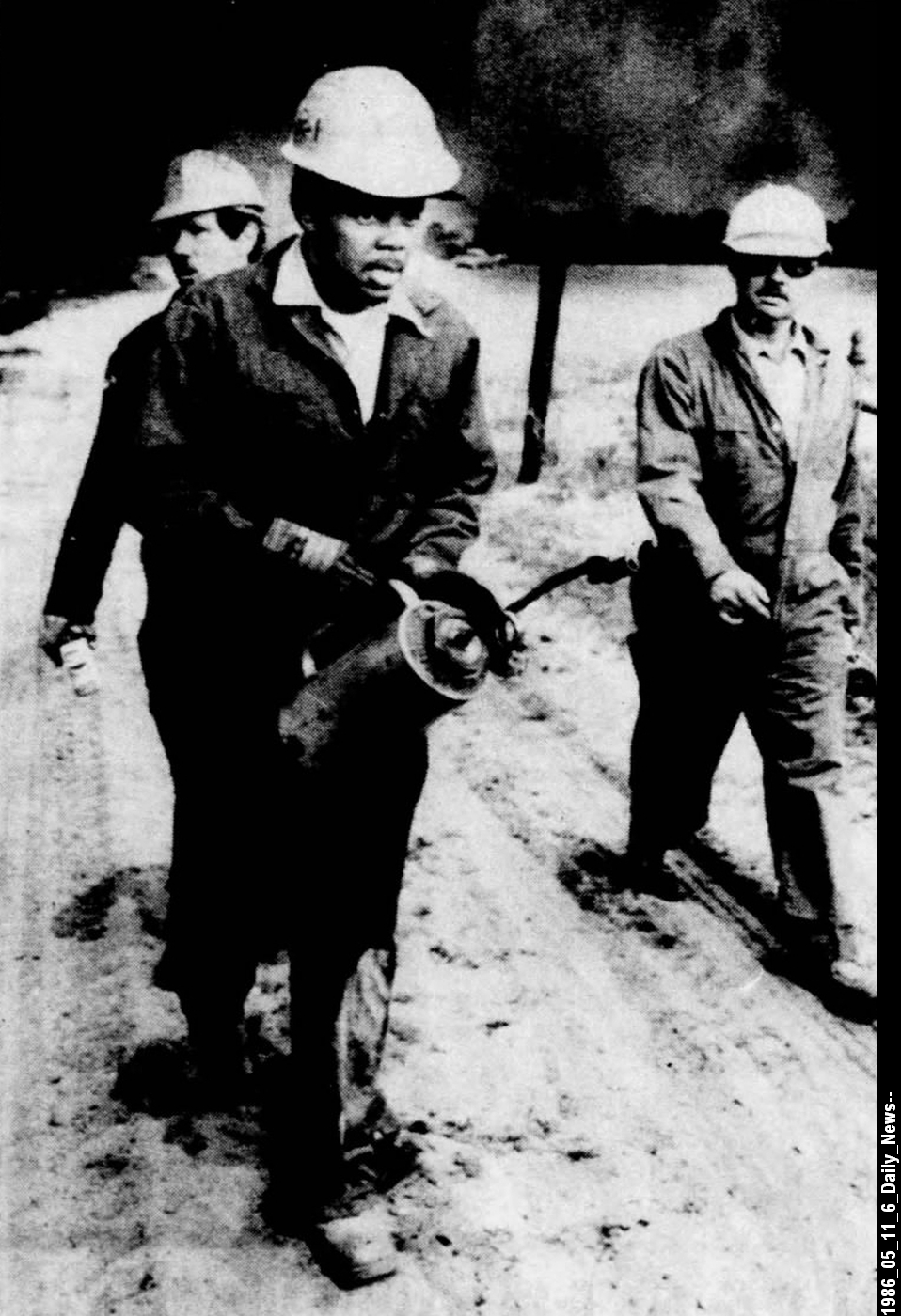
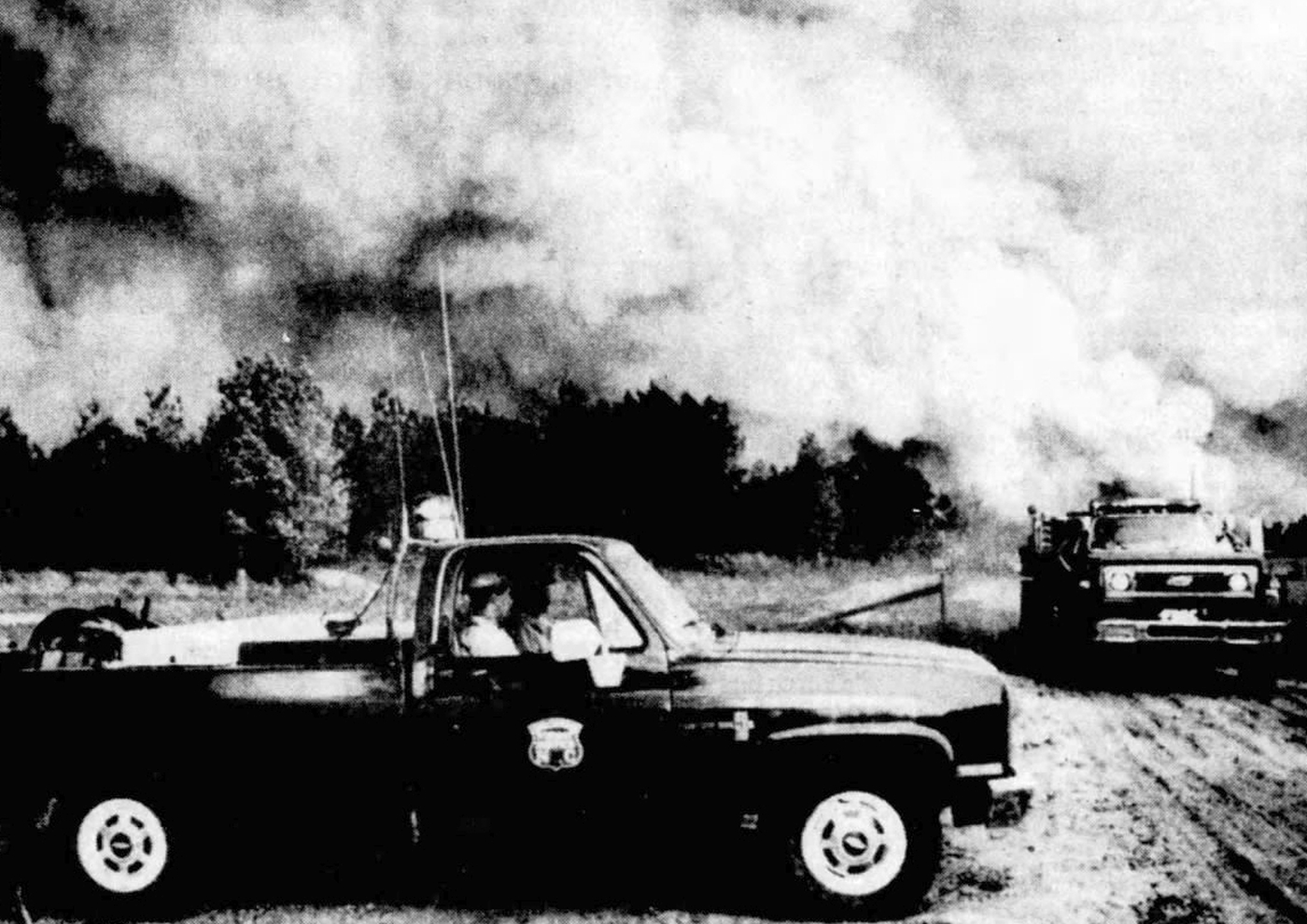
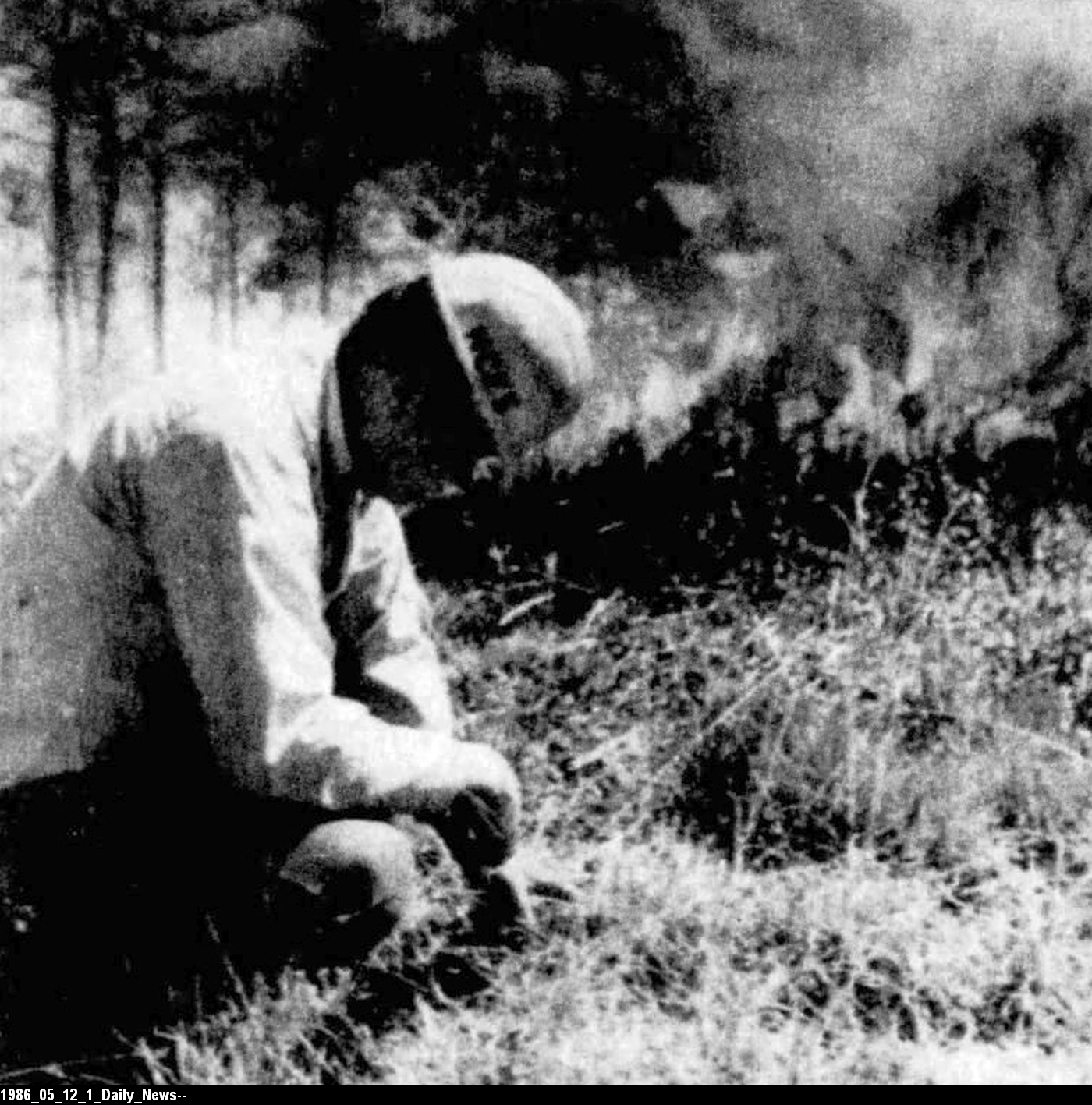
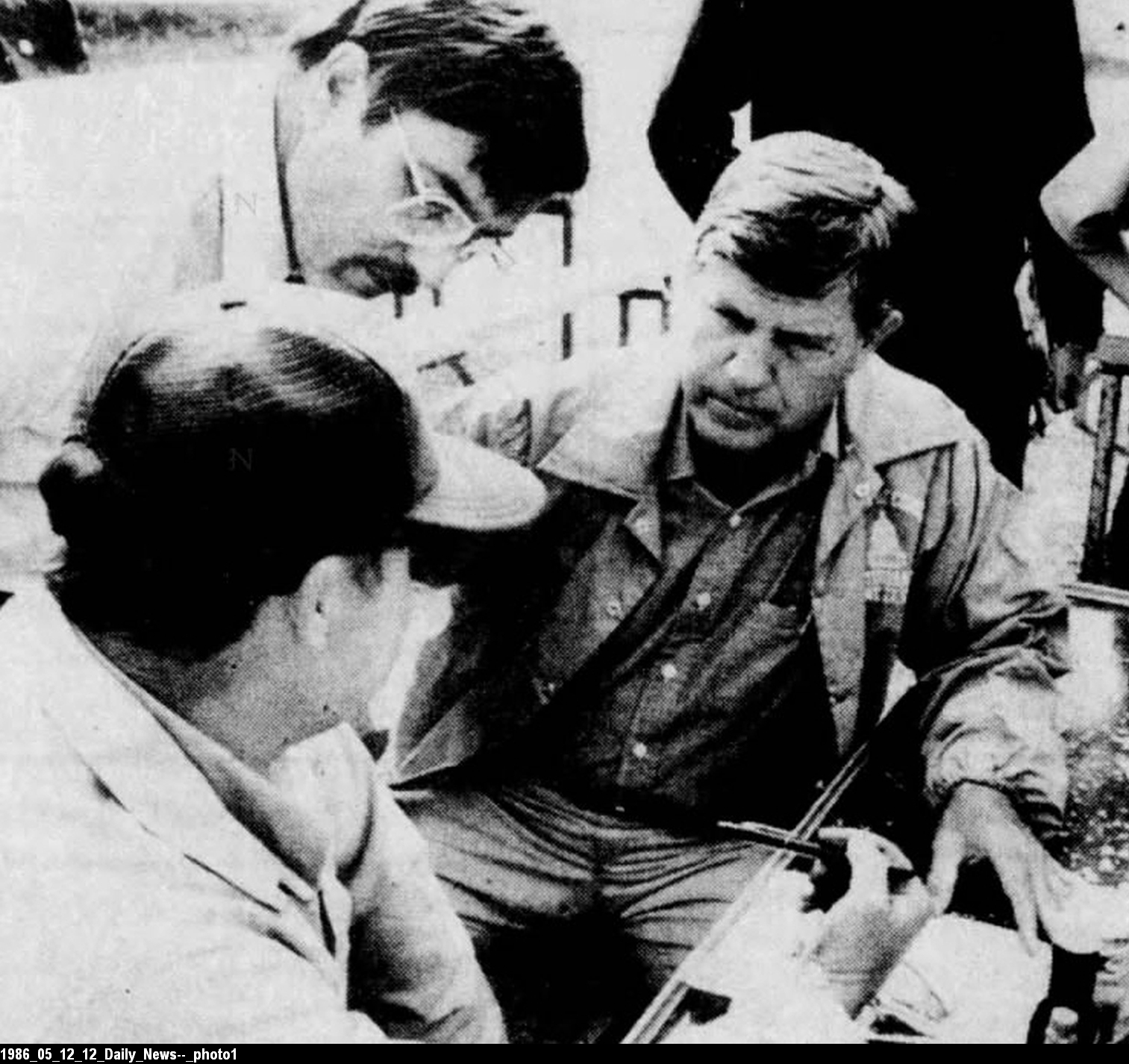
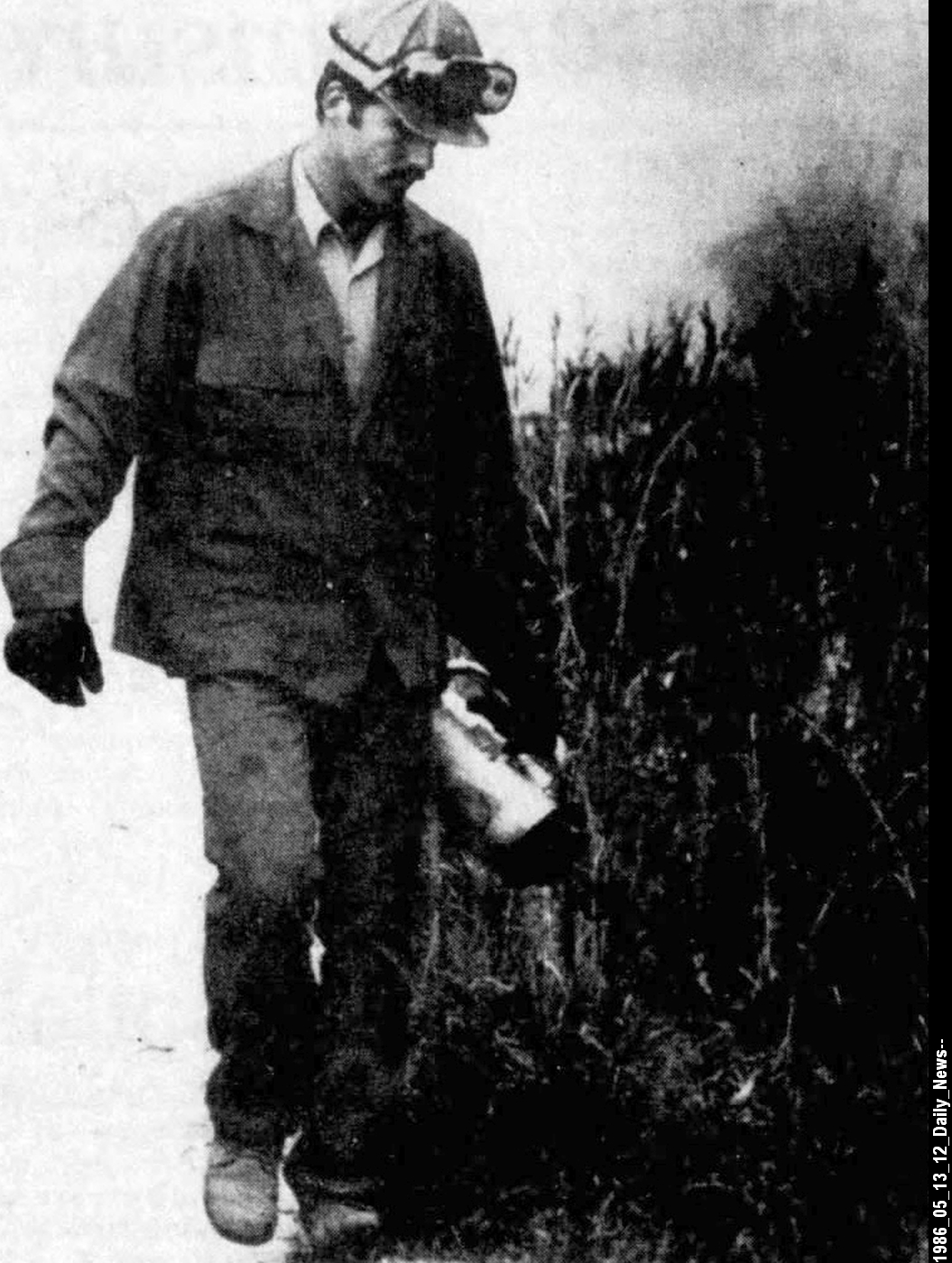
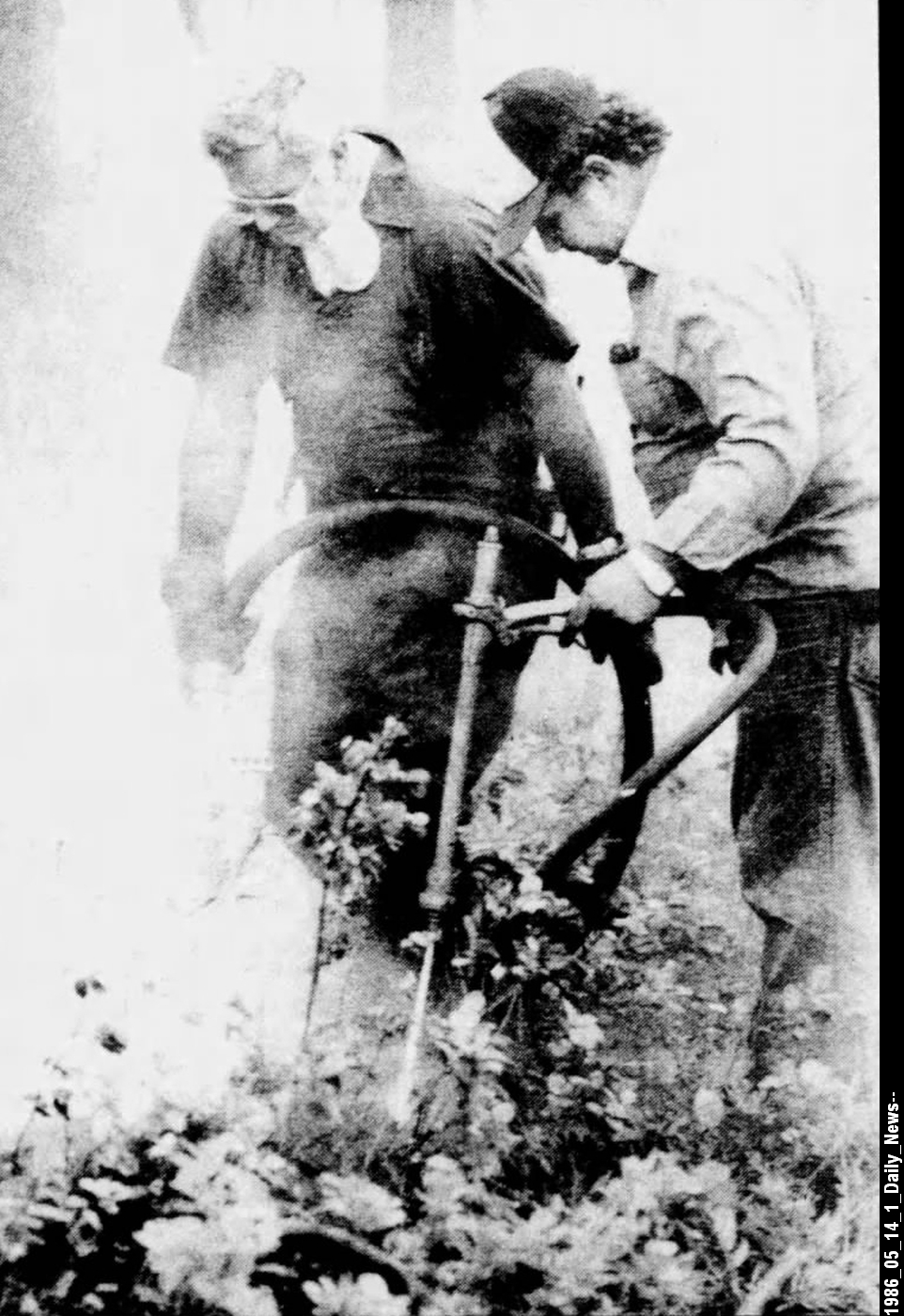
Remembering the major wildland fire in May 1986, that burned some 73,000 acres in the Holly Shelter area of Pender county, and during a period of severe drought. One of North Carolina’s largest wildfires of the decade, it threatened numerous homes and closed portions of U.S. 17 and N.C. 210. It required extensive use of bulldozers, airtankers, helicopters, and structural protection, with help from Camp Lejeune Marines and prison inmate crews. Dense smoke affected visibility throughout southeastern North Carolina, including Wilmington, and underground fuels made suppression exceptionally difficult.
Here’s a Google Drive folder with Jacksonville Daily News coverage.
Below is an extended summary of the fire created by ChatGPT + Legeros annotations, based on the clippings.
Chronology of the May 1986 Holly Shelter Fire
May 5–8, 1986 – Fire Ignites and Rapidly Expands
The wildfire began in the Holly Shelter area of Pender County during an extended drought. Dry pocosin vegetation, dense brush, and peat soils allowed the fire to spread rapidly despite initial suppression efforts. Within days it had grown into one of the largest fires in North Carolina, threatening communities along U.S. 17 and N.C. 210.
Firefighters quickly realized this would not be a routine forest fire. Numerous local volunteer fire departments joined the North Carolina Forest Service, and additional resources were requested from surrounding counties and state agencies.
Legeros: The fire started about noon at Blueberry Hill in Pender County on Monday, May 6. One person was killed, Rayford [Coston], 48, an employee of International Paper Company, who was fighting the fire. He died of a heart attack. He was evacuated to the hospital by helicopter. Decades later, he was added to the North Carolina Fallen Firefighters Memorial.
Legeros: Another firefighter was injured. Craig Raynor, 31, from Rose Hill. He was operating a tractor with a plow when it tipped over, pinning his leg between the plow and the tractor tread. He was transported to New Hanover Memorial Hospital in Wilmington, where he was treated and released.
Legeros: Airborne assets were noted in the Daily News on May 6, 1986, three scout planes, two air tankers, three helicopters, and two C-130 from the North Carolina Air National Guard and equipped with the “Modular Airborne Fire Fighting System,” each capable of delivering 3,000 gallons of fire retardant.
Legeros: Added the newspaper, the run card included 11 volunteer fire departments and three rescue squads on standby from Onslow County, four “fire squads” from New Hanover County, and five “Pender County crews.”
Legeros: Plus 19 “fire plows” from the NC Forest Service, International Paper Company, Camp Lejeune, and Federal Paper Company.
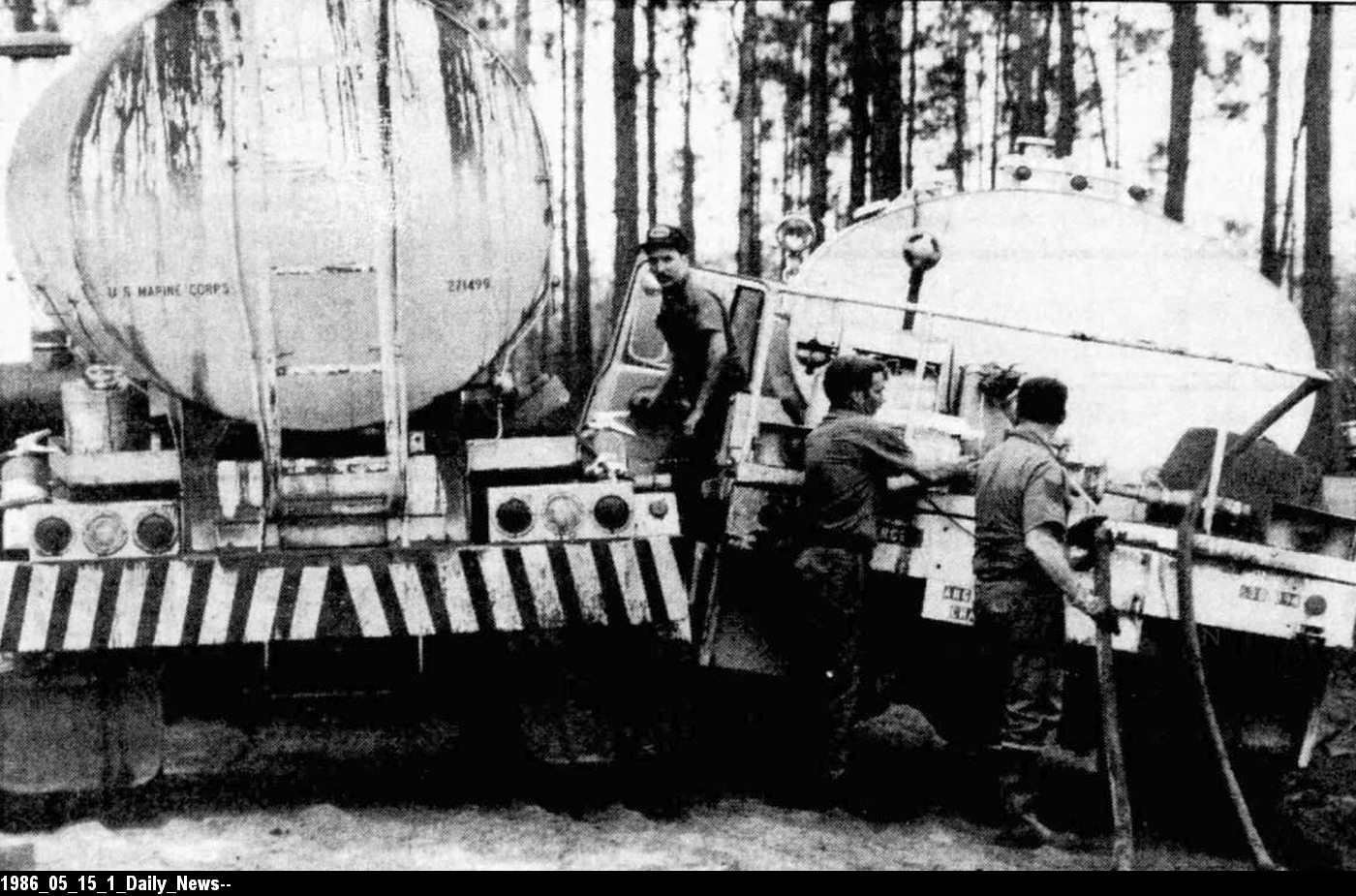
Legeros: Plus about 12 water tankers, and, from the Marine Corps, three brush trucks, a crash truck, and a 5,500-gallon tanker, along with a crash crew from the New River air station.
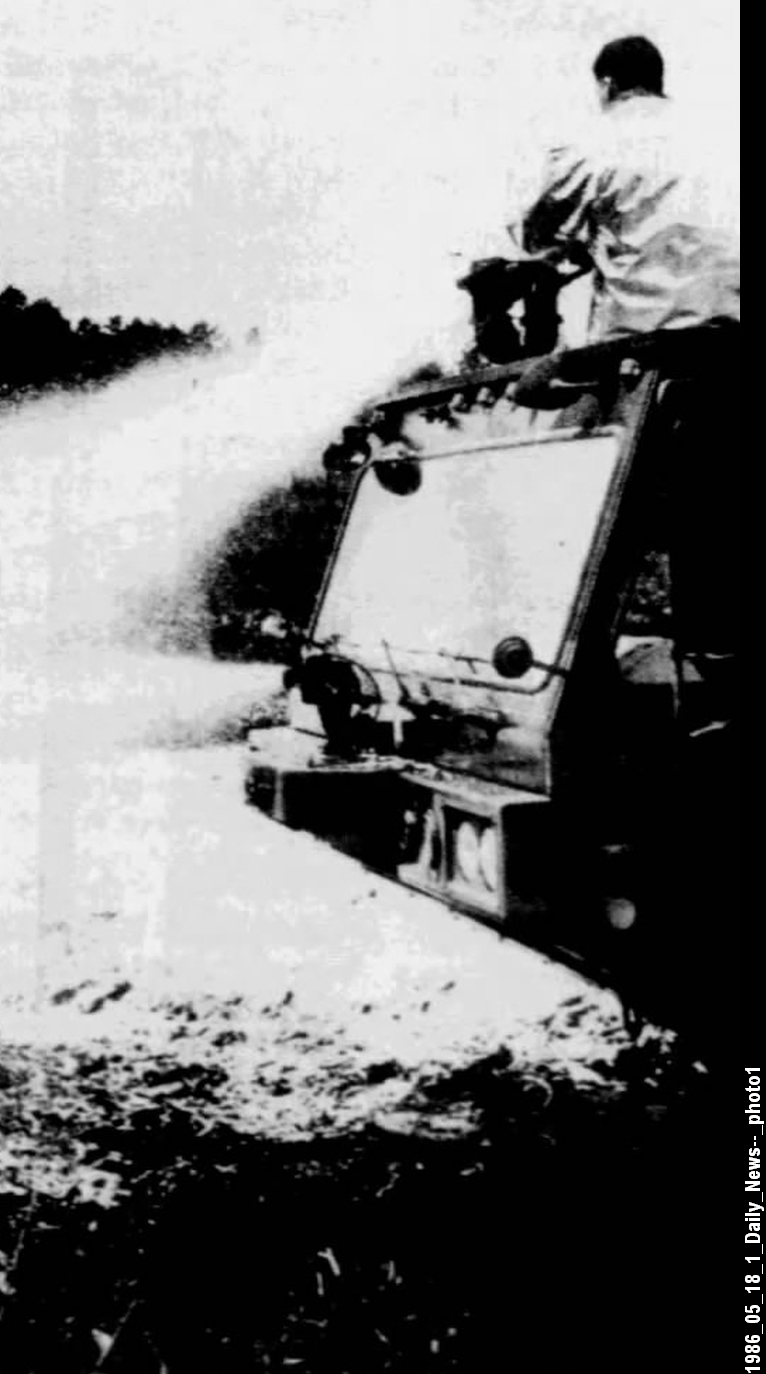
Legeros: Noted in a later story on May 18, the crash truck was a P19A and it “stood by as a back-up unit” to protect residential exposures, if needed. When “state forestry officials” learned it could be “taken off-road,” the green-camouflaged ARFF unit was “immediately put to work.” More than 40 Marines from the air station volunteered to work in shifts. Three P-19s were eventually sent to the scene.
Legeros: They also used “light water” to stop the ground fires, a mix of 6 percent chemical foam to 100 gallons of water, and sprayed from a “400-gallon M-530C tactical fire truck.”
May 9–10 – Fire Reaches Major Highways And Neighborhoods
By Friday, May 9, shifting winds pushed the fire toward Hampstead and nearby residential areas.
According to the Daily News:
- The fire was advancing approximately two miles per hour before slowing somewhat.
- Smoke became so dense that portions of U.S. 17 and N.C. 210 were closed.
- State troopers restricted traffic into threatened areas.
- Mobile homes near N.C. 210 were directly threatened.
The response escalated dramatically:
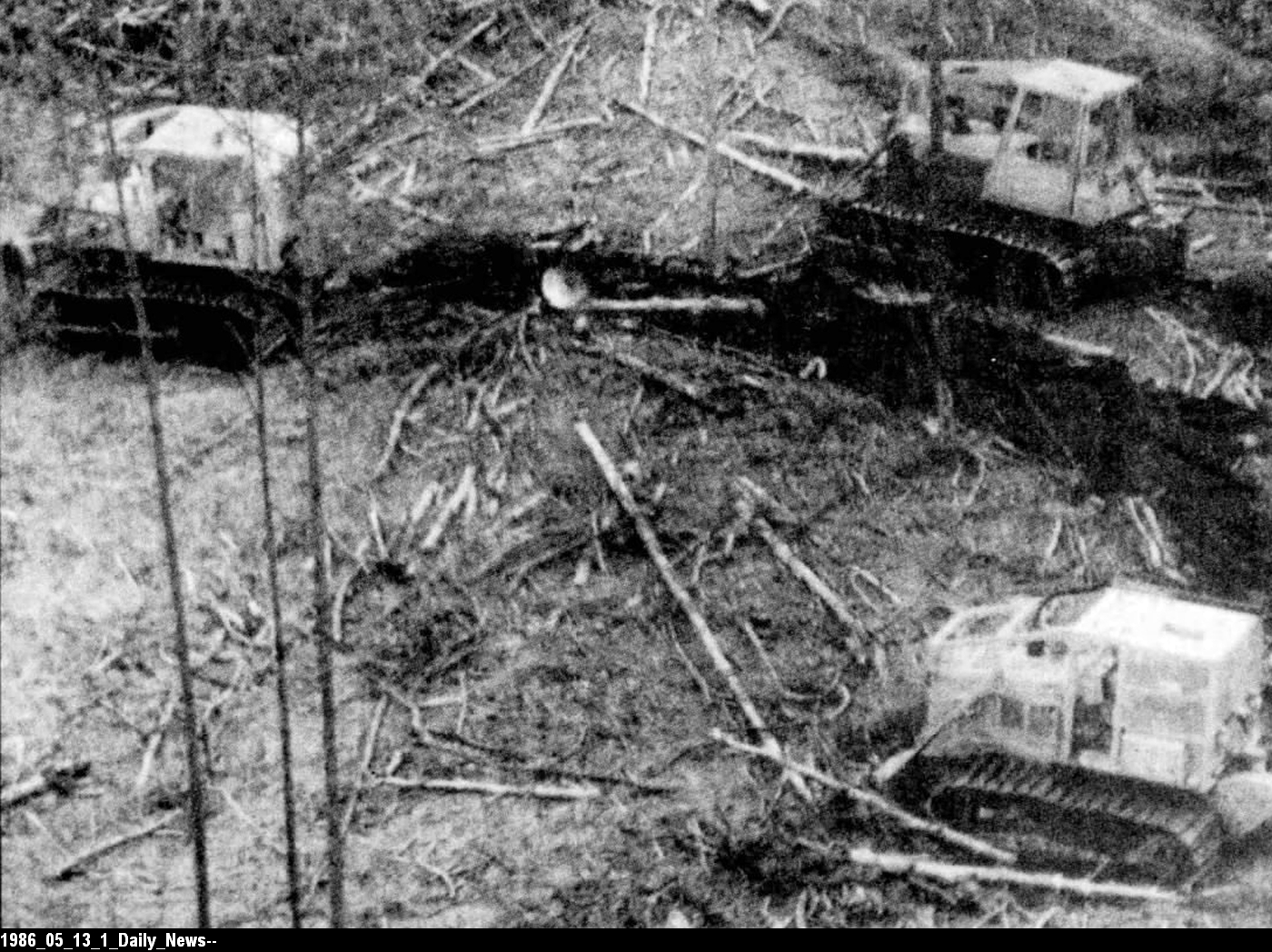
- Forest Service bulldozers plowed firebreaks.
- Air tankers dropped retardant behind homes.
- Helicopters conducted water drops.
- More than a dozen bulldozers worked simultaneously.
- Volunteer firefighters from eastern North Carolina responded.
- Marines from Camp Lejeune and prison inmate crews assisted with fire line construction.
- Firefighters established operations from the Hampstead Community Center.
Residents described skies turning black and red while dense smoke reduced visibility for miles.
May 10–11 – Fire Continues Raging Despite Massive Response
Over the weekend the wildfire remained largely uncontrolled.
Officials warned that:
- erratic winds could quickly change the fire’s direction;
- smoke was visible as far away as Wilmington;
- low humidity and drought continued feeding the blaze.
- Residents living near the fire packed belongings and prepared to evacuate if ordered.
Fire managers emphasized that protecting lives and homes had become the highest priority rather than attempting to stop the entire fire.
May 11 – Winds Create New Danger
New wind shifts caused the fire to jump established firebreaks, one of the greatest fears of incident commanders.
The newspaper reported:
- firefighters repeatedly lost containment lines;
- crews had to abandon completed lines and establish new ones;
- suppression resources were continually repositioned.
Authorities warned residents that the situation could deteriorate quickly if winds increased.
May 11–12 – Homes Remain Under Threat
The wildfire expanded again, threatening additional neighborhoods.
Large-scale suppression included:
- additional aircraft,
- more bulldozers,
- expanded structural protection,
- volunteer firefighters from across the state.
Residents continued moving livestock, vehicles, and personal belongings away from threatened areas.
Meteorologists hoped an approaching weather system might bring enough moisture to slow the fire, though forecasts remained uncertain.
May 12 – More Than 73,000 Acres Burned
By May 12 the fire had become one of the largest in state history.
The Daily News reported approximately:
- 73,000 acres burned
- continued threats to homes
- no full containment
Although crews succeeded in saving many residences, officials acknowledged that the fire continued burning aggressively through inaccessible swamp and pocosin vegetation.
May 13–15 – Fire Stubbornly Resists Control
Despite around-the-clock operations, firefighters struggled against:
- thick peat deposits,
- inaccessible swamp,
- underground burning roots,
- persistent drought,
- shifting winds.
Articles described the blaze as “stubborn,” noting that containment percentages changed little even after several days of intensive suppression.
Officials repeatedly cautioned against declaring victory too early because changing weather could quickly revive active fire fronts.
May 16 – Containment Improves
By mid-May firefighters reported measurable progress.
Fire lines began holding in many sectors.
Crews transitioned from emergency structure protection toward:
- strengthening containment lines,
- extinguishing hotspots,
- preventing flare-ups.
Nevertheless, authorities stressed that the fire was not yet fully contained and that strong winds remained a concern.
May 17 – Mopping Up Begins
Firefighters entered an extended mop-up phase.
Work included:
- extinguishing smoldering peat,
- reinforcing firebreaks,
- monitoring isolated flare-ups,
- continuing aerial reconnaissance.
Officials warned that underground fires could continue burning for weeks.
May 18 – Fire Finally Subdued
After nearly two weeks of continuous operations, newspapers reported that the wildfire had finally been subdued.
Although isolated hotspots remained, the major threat to communities had ended.
Thousands of personnel had participated during the incident, including:
- North Carolina Forest Service
- volunteer fire departments
- municipal fire departments
- Camp Lejeune Marines
- prison inmate crews
- aircraft and helicopter resources
- law enforcement
- emergency management agencies
Legeros: Said the Daily News on May 17, state wildlife officials flew over the “charred remains of the 48,500-acre Holly Shelter Game Preserve” to look for animals that survived the blaze. The shelter had been home to about “1,000 deer, 40 black bears, rabbits, quail, foxes, bobcats, and may specials of birds.”
Legeros: Several factors helped keep that death toll down, notably that the blaze burned relatively slowly. And some of the hottest areas of the fire was where the deer population was lowest.
Legeros: Also, some areas within the game lands were already beginning to revive, with “green shoots poking through the sooty earth.”
Legeros: Firefighters had found carcasses of “only two deer, a black bear, an opossum, a marsh rabbit, a racoon, and a mole.”