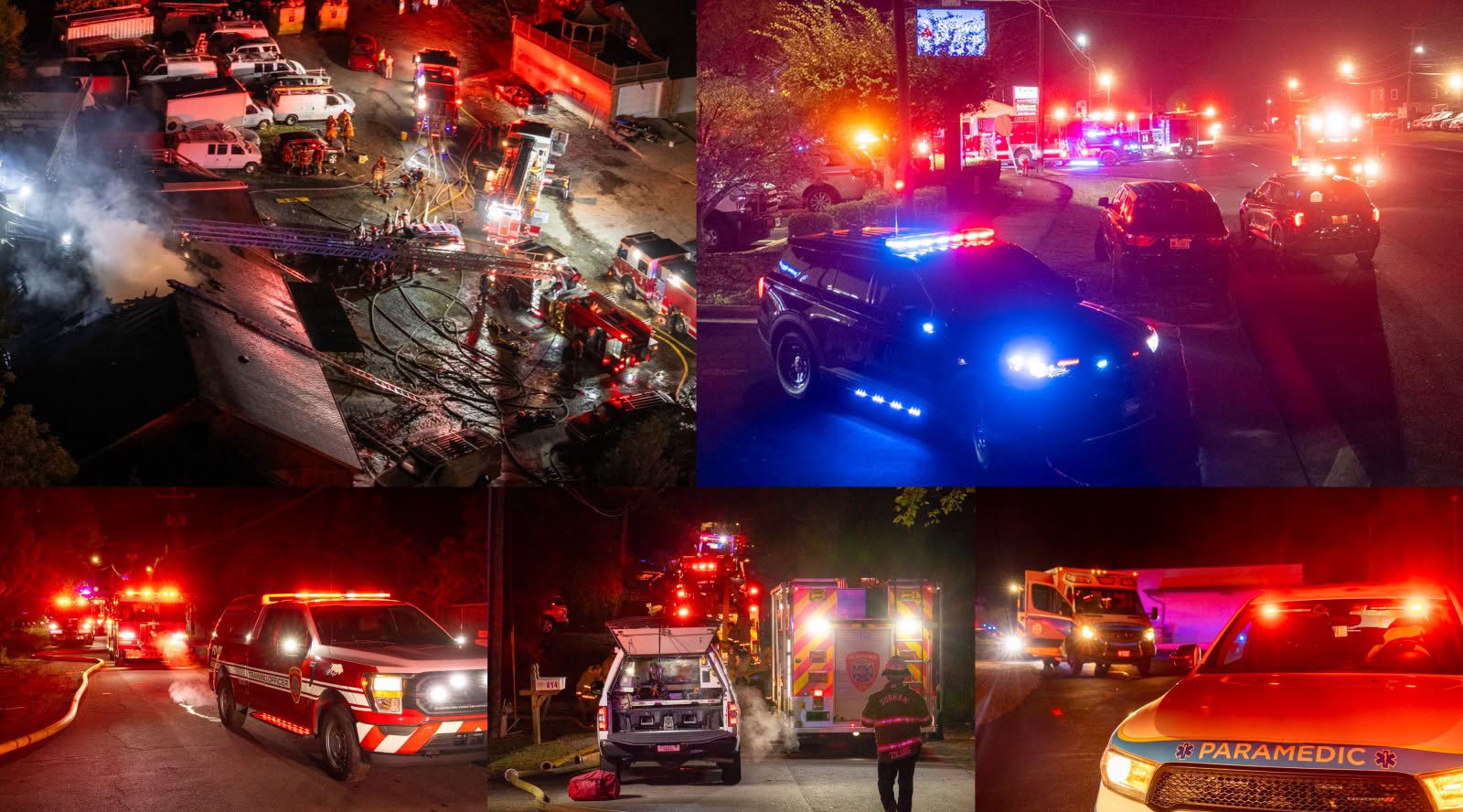
On September 19, 2026, an apparatus accident in Granville County killed three civilians, when an SUV rear-ended a pumper at an accident scene on Interstate 85 near Oxford, NC. What’s the historical perspective on multi-fatality emergency vehicle accidents in North Carolina? Here’s take one of results:
Summary
| Date |
Department / Vehicle |
County |
Fatalities |
Responders |
Civilians |
| 1/1/1926 |
Lexington Fire |
Davidson |
3 |
3 |
0 |
| 4/10/1955 |
Peeler Funeral Home |
Rowan |
2 |
0 |
2 |
| 10/8/1961 |
Sisk Funeral Home |
Gaston |
2 |
0 |
2 |
| 2/8/1962 |
TBD |
Sampson |
3 |
0 |
3 |
| 12/13/1964 |
Stokes Mortuary |
Nash |
2 |
0 |
2 |
| 12/5/1968 |
Raleigh Police |
Wake |
2 |
2 |
0 |
| 8/4/1975 |
Enfield Rescue Squad |
Halifax |
2 |
1 |
1 |
| 2/21/1983 |
Stokes County EMS |
Stokes |
2 |
0 |
2 |
| 4/4/1997 |
Charlotte Fire |
Mecklenburg |
2 |
0 |
2 |
| 8/3/2000 |
Wake County EMS |
Wake |
3 |
0 |
3 |
| 3/24/2007 |
Rhodestown Fire |
Onslow |
2 |
2 |
0 |
| 5/23/2010 |
North Carolina State Highway Patrol |
Guilford |
2 |
0 |
2 |
| 7/25/2017 |
North Carolina State Highway Patrol |
Haywood |
2 |
0 |
2 |
| 8/13/2021 |
Hertford County EMS |
Hertford |
2 |
0 |
2 |
| 3/3/2023 |
Harnett County Sheriff’s Office |
Harnett |
2 |
0 |
2 |
| 8/3/2023 |
Pender EMS & Fire |
Pender |
2 |
0 |
2 |
| 7/17/2024 |
Greensboro Police |
Guilford |
3 |
0 |
3 |
| 3/1/2026 |
North Carolina State Highway Patrol |
Durham |
2 |
1 |
1 |
| 9/19/2026 |
Providence Fire |
Granville |
3 |
0 |
3 |
Details
Date – Department / Vehicle – County – Fatalities – Responders – Civilians
1/1/1926 – Lexington Fire – Davidson – 3 – 3 – 0
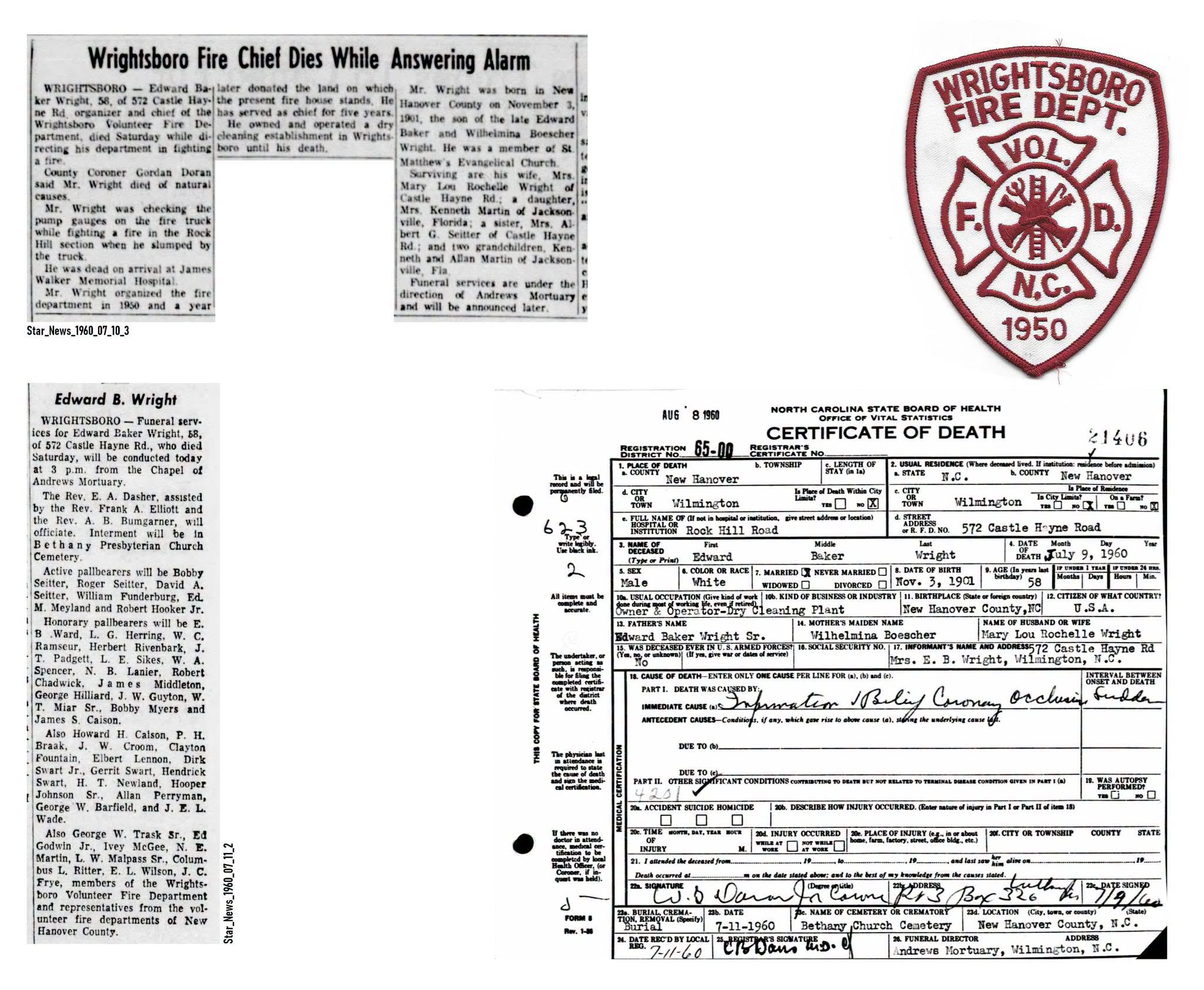
Engine responding to a fire call collided with an automobile at Main and Third streets in Lexington. Three firefighters were killed and two others were critically injured.
Killed were: Firefighters D. C. Cope, Ed Cope, and Howard Michael.
4/10/1955 – Peeler Funeral Home – Rowan – 2 – 0 – 2
Ambulance transporting a seven-year-old car accident victim collided with a car at West Innes Street and Mahaley Avenue in Salisbury. The child and a 39-year-old woman in the car were ejected and killed; five others were injured.
Killed were: Seven-year-old patient and a 39-year-old woman in the car.
10/8/1961 – Sisk Funeral Home – Gaston – 2 – 0 – 2
Ambulance returning from an out-of-town call collided head-on with a car near Bessemer City. Both occupants of the car later died.
Killed were: Two men, ages 19 and 21.
2/8/1962 – TBD – Sampson – 3 – 0 – 3
Ambulance transporting a patient from a Clinton hospital to their home collided broadside with a car leaving Hobbton High School on US 701 near Newton Grove. Three students were killed and six others injured.
Killed were: Three 18-year-old students.
12/13/1964 – Stokes Mortuary – Nash – 2 – 0 – 2 –
Ambulance operating with red light and siren collided with a Chevrolet at Thomas and Pine streets in Rocky Mount.
Killed were: A 21-year-old woman and a two-year-old child in the car.
12/5/1968 – Raleigh Police – Wake – 2 – 2 – 0
Two officers responding to check on another officer were struck by another automobile and pushed into a utility pole.
Killed were: Officers James Wade Allen and James Gale Lee.
8/4/1975 – Enfield Rescue Squad – Halifax – 2 – 1 – 1
Ambulance and automobile collided at SR 1210 and SR 1216. Both drivers were trapped and subsequently died.
Killed were: The 48-year-old ambulance driver and the automobile driver.
2/21/1983 – Stokes County EMS – Stokes – 2 – 0 – 2
Ambulance sideswiped a car while attempting to pass the vehicle. It left the highway, struck a tree, and overturned several times near Pilot Mountain.
Killed were: The 73-year-old patient and her 32-year-old companion.
4/4/1997 – Charlotte Fire – Mecklenburg – 2 – 0 – 2
Apparatus responding to an apartment fire collided with a Honda Accord on Park Road near Seneca Avenue.
Killed were: Two 16-year-old occupants of the Honda.
8/3/2000 – Wake County EMS – Wake – 3 – 0 – 3
Ambulance transporting an injured Wake Forest police officer collided with a Toyota Corolla at Capital Boulevard and Calvary Drive in Raleigh, after the Toyota entered its path.
Killed were: Three men in the Toyota.
3/24/2007 – Rhodestown Fire – Onslow – 2 – 2 – 0
A 1987 Chevrolet tanker overturned while responding to a structure fire. Both firefighters aboard were killed.
Killed were: Firefighters Billy Harold Williams and Brandon Michael Whimple.
5/23/2010 – North Carolina State Highway Patrol – Guilford – 2 – 0 – 2
Trooper was pursuing a speeding vehicle with blue lights activated when another car turned into his path at US 70 and River Road near Jamestown.
Killed were: Sandra Allmond, 55, and an 11-year-old girl.
7/25/2017 – North Carolina State Highway Patrol – Haywood – 2 – 0 – 2
Trooper traveling on US 74 with lights and siren operating collided with an eastbound van that was making a U-turn. The trooper was seriously injured.
Killed were: Two occupants of the van.
8/13/2021 – Hertford County EMS – Hertford – 2 – 0 – 2
Responding ambulance operating with lights and siren collided with a Honda at US 13 and Old NC 11 and overturned.
Killed were: Two women in the Honda, ages 28 and 29.
3/3/2023 – Harnett County Sheriff’s Office – Harnett – 2 – 0 – 2
Deputy was pursuing a speeding vehicle on NC 210 when his patrol SUV collided with a pickup at Ray Road. Two people in the pickup truck were killed.
Killed were: Brian Finch and Patricia Finch.
8/3/2023 – Pender EMS & Fire – Pender – 2 – 0 – 2
SUV crossed the centerline of US 117 near St. Helena and struck the ambulance head-on. The patient died at the scene; the SUV driver died nine days later.
Killed were: A 54-year-old ambulance patient and the SUV driver.
7/17/2024 – Greensboro Police – Guilford – 3 – 0 – 3
During a pursuit involving a suspected impaired or wrong-way driver, the fleeing vehicle collided with a responding patrol car on Walker Avenue.
Killed were: Three teenagers—two age 14 and one age 15.
3/1/2026 – North Carolina State Highway Patrol – Durham – 2 – 1 – 1
Trooper traveling north on NC 147 was struck head-on by a wrong-way driver. Both drivers died.
Killed were: Master Trooper Steven J. Perry, 30, and Melshawn Moore, 39.
9/19/2026 – Providence Fire – Granville – 3 – 0 – 3
SUV rear-ended unoccupied pumper blocking at an accident on I-85 near mile marker 197.
Killed were: Jason Nye, 31, Christina Nye, 32, and their daughter, age 6. Their son, age 10, was seriously injured.
Sources
- ChatGPT research
- Legeros Fire Blog, Fatal Ambulance Accidents in North Carolina, https://legeros.com/blog/fatal-ambulance-accidents/
- Legeros Fire Blog, Apparatus Accidents with Civilian Fatalities, https://legeros.com/blog/apparatus-accidents/